
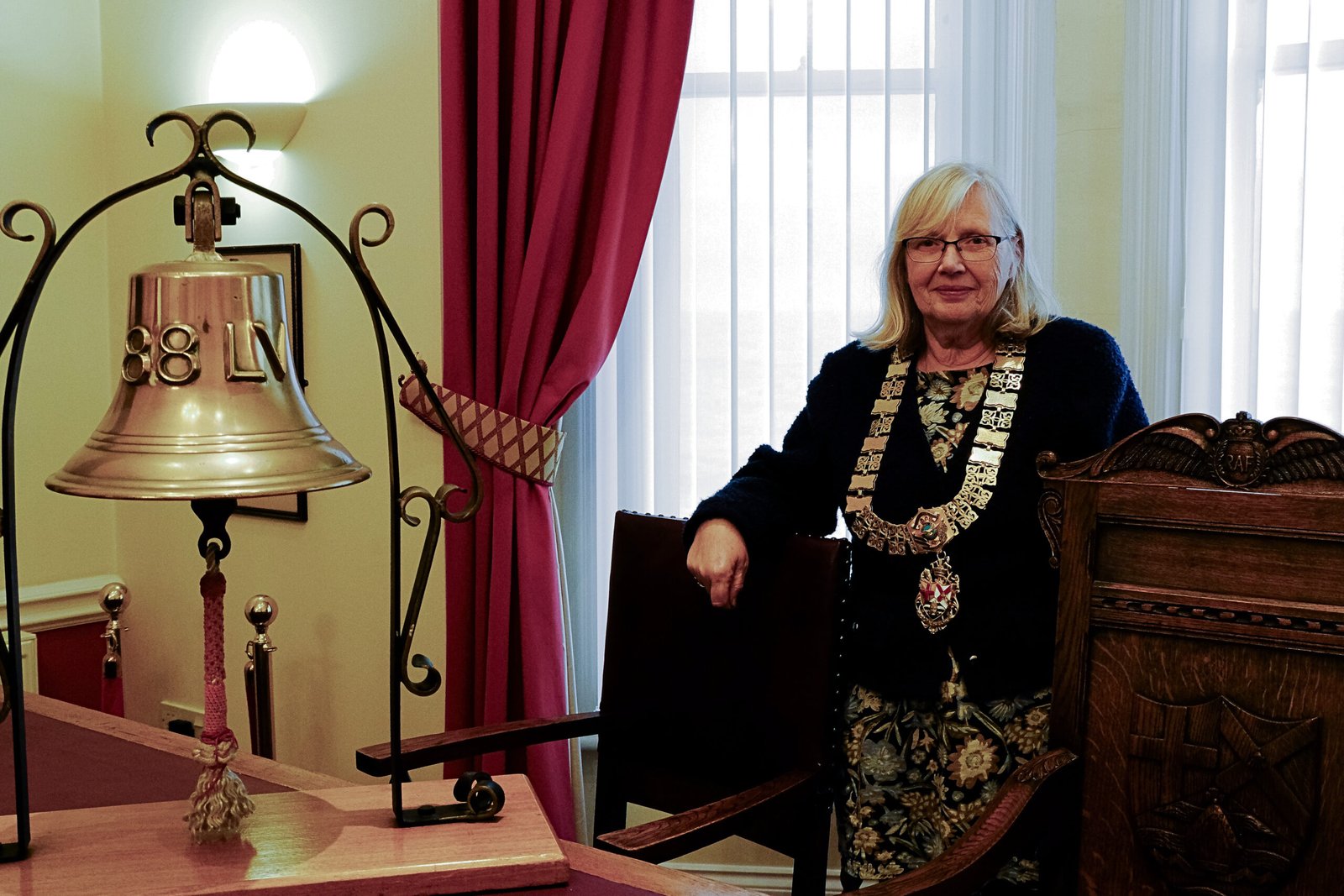

When Corrine Franklin became mayor of Felixstowe in May, she had one theme firmly in mind: community. Not as an abstract idea, but as something tangible. Knowing people, being present, listening. “I see myself a bit as a loudspeaker for Felixstowe,” she says, carefully straightening the heavy mayoral chain in the council chamber at the Town Hall.
Felixstowe is not a town that lends itself easily to simple definitions. On one side sits one of Europe’s largest container ports; on the other, a seaside town with a pier, a promenade and a high street full of cafés. Franklin has lived here for nearly forty years. “You go from one extreme to the other,” she says. “From large houses on the cliffs to small streets closer to the centre. That’s what makes Felixstowe special.”
Non-political but deeply personal
The role of mayor is demanding. More than two hundred official visits a year, explains Town Clerk Ash Tadjrishi, who joins us during the interview. Franklin nods. She opens events, visits neighbourhood projects, chairs meetings. The position is officially non-political, but it can still be deeply personal. Each mayor chooses her own charities to support. This year, Franklin selected two, both small, both rooted firmly in the town.
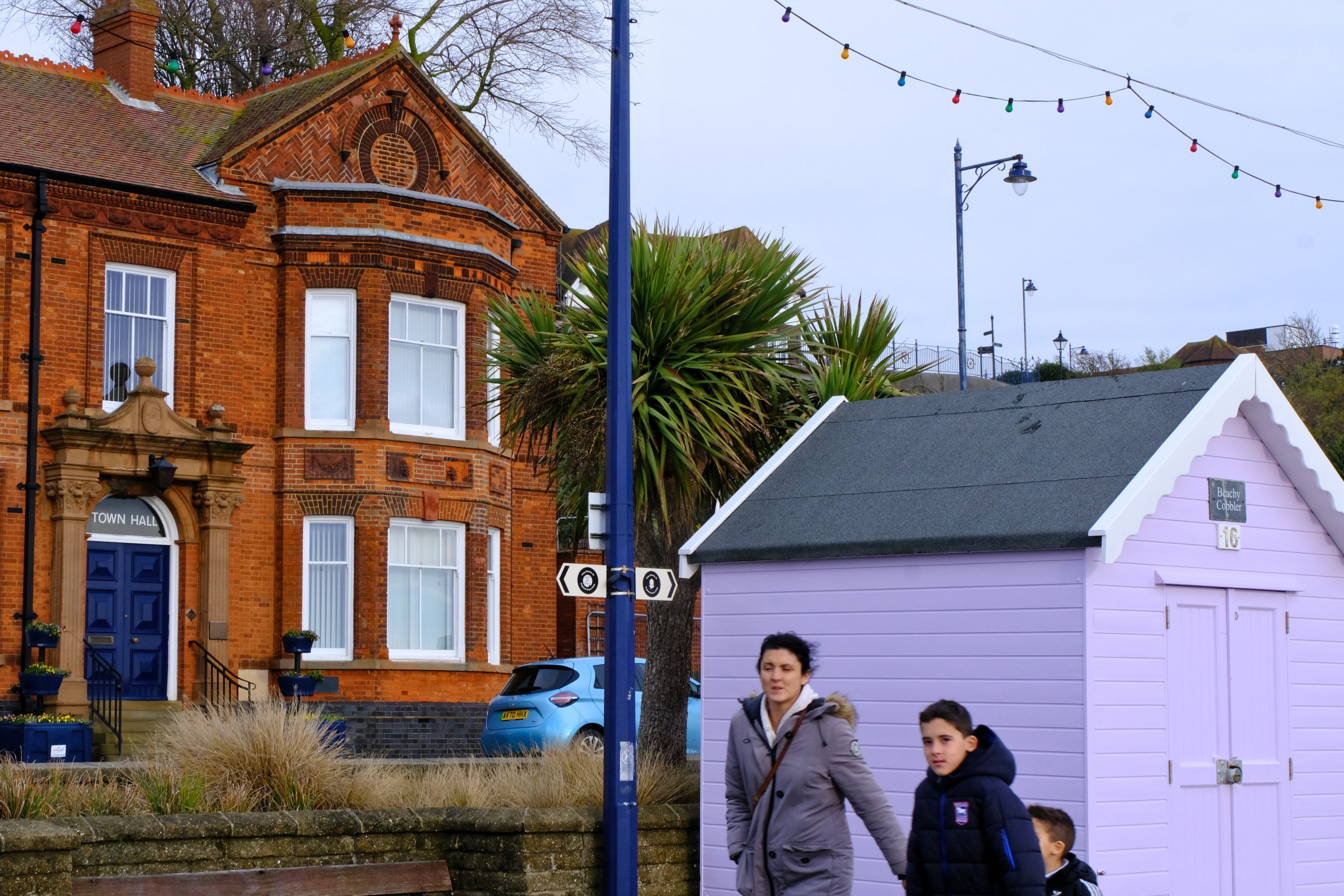
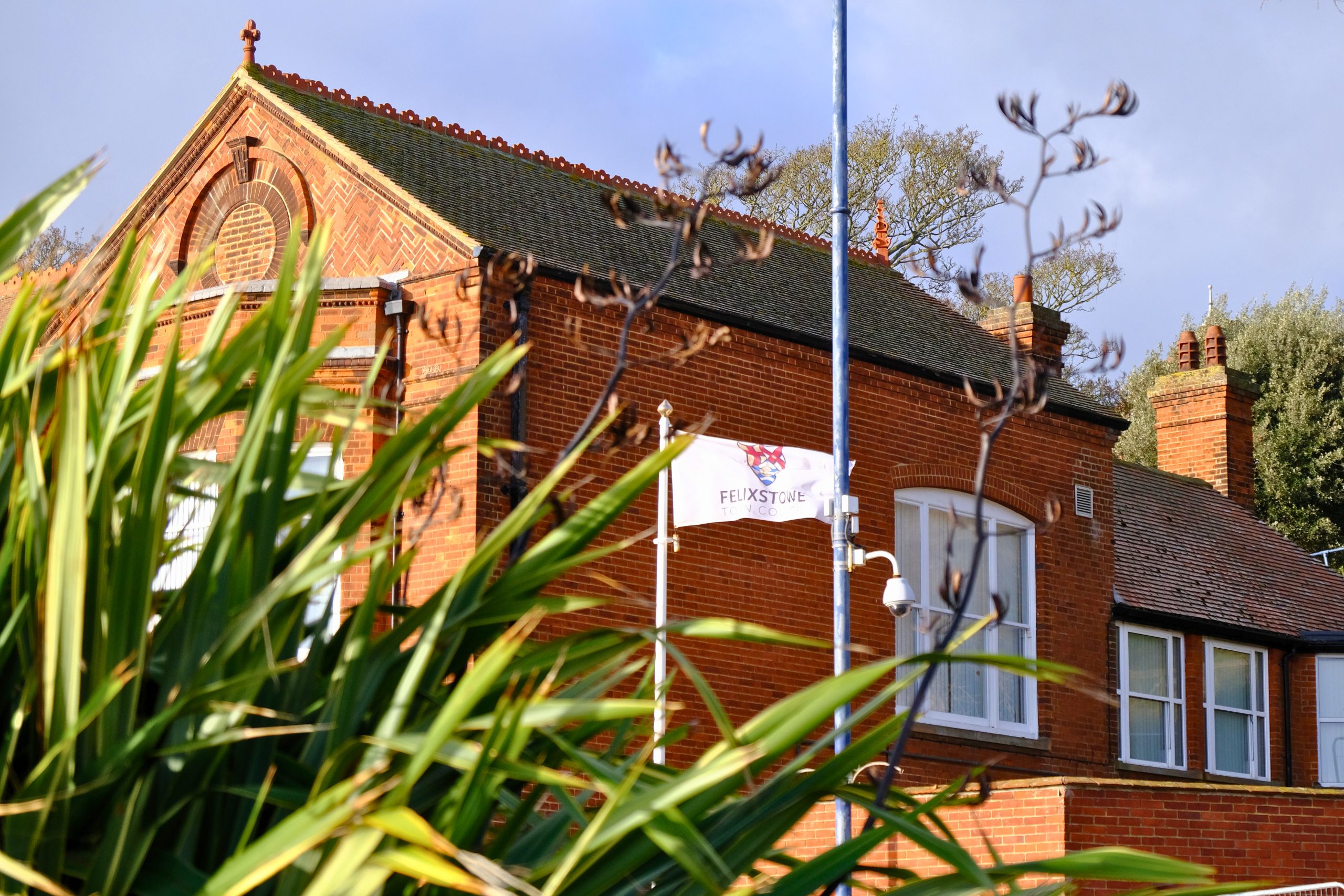
The first is the Felixstowe Opportunity Group, originally founded by parents of children with disabilities, including Franklin herself. Her daughter has Down’s syndrome. “Thirty years ago, there was simply nothing,” she says. “So as parents, we decided to create something ourselves.” The second is the St Philip Community Hub: a low-threshold meeting place offering a food bank, coffee, cake, and above all, company. “You don’t have to be a member. You can just walk in.”
It reflects how Franklin sees her role. Not grand or visionary, but practical and close to people’s lives. Still, she is not blind to the tensions within the town. Felixstowe is growing, with new housing developments underway, while public services are under pressure. “Getting a GP or dentist appointment is already difficult,” she says.
“People worry about what happens as the town keeps expanding.”
Relatively well
When it comes to poverty, Franklin chooses her words carefully. She is keen not to exaggerate, stressing that Felixstowe is doing ‘relatively well compared to other seaside towns.’ At the same time, she acknowledges that the cost-of-living crisis weighs heavily on many households. Much of the support, she explains, comes through volunteer-led initiatives. Tadjrishi points to the scale of local involvement: “We have hundreds of active volunteer groups here. You don’t see that everywhere.”
Felixstowe, Franklin says, is ultimately a town of contrasts. Around half of local employment is linked to the port. It brings stability and jobs, yet also feels distant. “We don’t have direct access to the port,” she says. “But it does support families and other employment. It’s a whole ecosystem.”
Strikingly concrete
Asked about her dreams for Felixstowe, Franklin becomes strikingly concrete. She speaks proudly of the arrival of a Sainsbury’s supermarket, a Premier Inn hotel and, almost apologetically, two Lidl stores. She laughs. “For a small town, that’s quite something.” One disappointment, she adds, is the absence of a Wetherspoons pub: the budget British chain that in many towns functions as an informal social hub.
For Franklin, ambition does not lie in megaprojects, but in preservation. “I don’t want Felixstowe to lose its identity,” she says. “It’s not a resort, not an industrial town, not a commuter town. It’s a bit of everything.” Perhaps that is Felixstowe’s strength: a place sustained by what people build themselves, between sea and containers, between pride and vulnerability.
